
The smallest preparation
for two lives.
Out alone at 34 weeks, with the details for two lives already on her wrist.
Weeks of pregnancy, blood type, complications, the hospital you plan to give birth in, your family's number. Everything a paramedic needs first if you collapse in the street, kept on your wrist band and hospital bag and read by a phone in one second.

For women who are pregnant or preparing to give birth, their families, and the maternity clinics, public health offices and postnatal centres that care for them before and after the birth.
An emergency that concerns two lives, and only one person who knows the answers
- An emergency in pregnancy concerns two lives. Paramedics need the gestational age, the blood type (especially Rh negative), gestational diabetes or hypertension and the planned birth hospital to decide treatment and transport.
- The only person who knows those answers is the mother, and dizzy, collapsed or barely conscious, she cannot say them. On a day she goes out alone, no family member is beside her and her phone is locked.
- The record is scattered: antenatal results pile up in a drawer, blood-pressure readings live in memory, and the supplement list is written down nowhere. The hospital bag is packed, but blood type, medication and emergency contacts are rarely kept in one place.
- Travelling, or preparing to give birth abroad, there is even less chance of explaining a pregnancy to paramedics who do not share your language.
34 weeks, an afternoon out alone
- 09:00
Jia, 34 weeks pregnant, logs her morning blood pressure in WaveMed with the note “morning, seated”, as she has every day since gestational hypertension was diagnosed. One RadPatch sits on her wrist band and another on her hospital bag, holding only what she chose.
- 14:15
Her husband is at work, and Jia has gone to a department store alone for baby things. By the escalator she sinks down, dizzy. The words will not come, and her phone is locked.
- 14:17
A staff member sees the blue cross on her wrist band and holds his own phone to it for one second: 34 weeks, Rh negative, gestational hypertension, the planned birth hospital, her husband's number. He calls the emergency number, then her husband.
- 14:26
The paramedic reads the same patch with 𝒱WaveMed. It reads, and changes nothing. With the weeks, blood type and complication in front of them, the crew heads for her planned birth hospital, not a strange one.
- 14:40
Her husband is already waiting at the hospital. Jia never had to say a single number, and a month of blood-pressure readings is on her phone as a record, not a memory.
The essentials close to you, the record of two lives on one phone
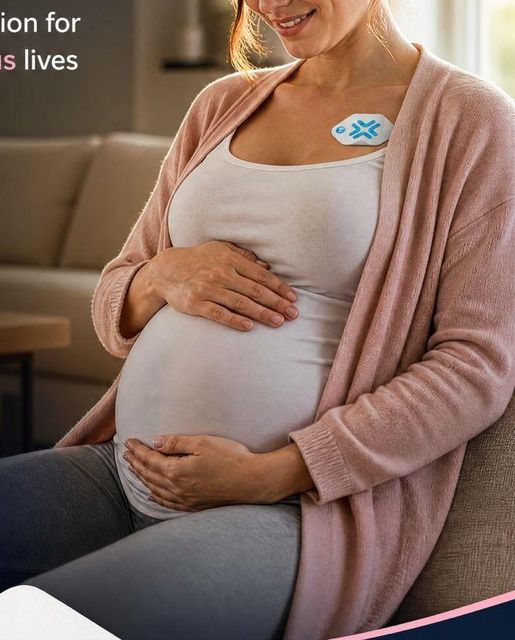
- On the wrist and the hospital bag: a 25 × 25 mm RadPatch goes on a wrist band, clothing or a bag, never directly on the skin. It has no power source and emits nothing, and a silicone body with a sealed chip gives two layers of waterproofing, so showers and the washing machine are fine.
- One second, no internet, in the reader's language: anyone nearby holds a current smartphone to it, and weeks of pregnancy, blood type, complications, the planned birth hospital and family numbers appear in the reader's language, in any of 27 languages. 𝒱WaveMed, for paramedics, emergency responders and fire crews, only reads; only you, with your four-digit PIN, can change anything.
- As the weeks change, so does the patch: the information is encrypted inside the patch, not on a hospital server, and holds only what you chose. When the due date nears or something new is diagnosed, read the patch in WaveMed, enter your PIN and update it.
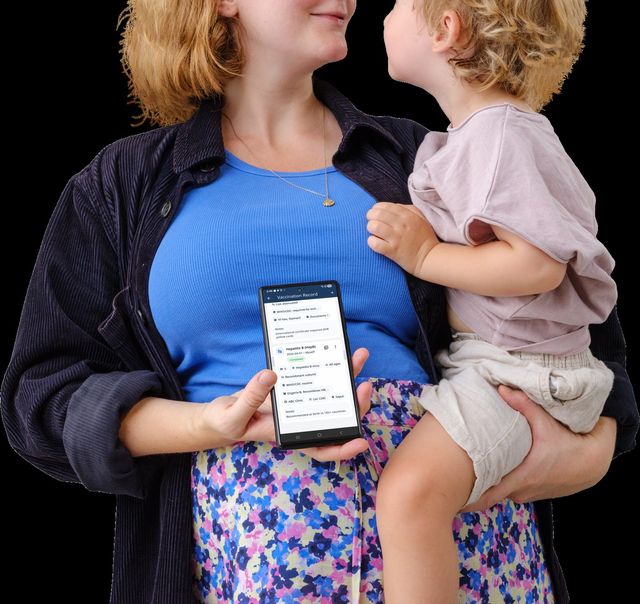
- Every day of pregnancy in the free WaveMed app: blood pressure and heart rate as a 30-day trend with notes on how each was taken, fasting and after-meal blood sugar in mg/dL and mmol/L together, supplements by product, dose and time, exported as a PDF. Antenatal results go into a check-up folder as photos, a vaccine had during pregnancy is kept as a card with type, date and lot number, and the insurance certificate waits in the document folder.
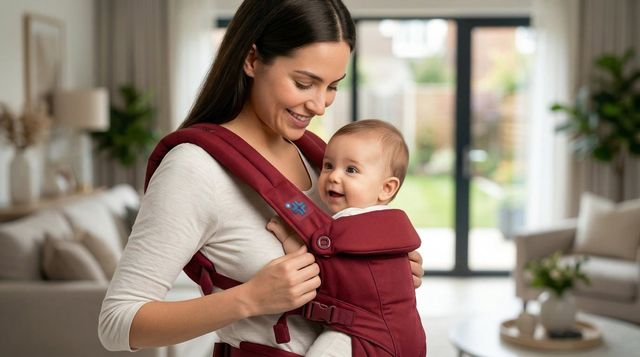
- After the birth, to the baby: add your baby as a separate family member, put the gestational age, weight and blood type on the patch, and move it to the carrier and nappy bag. Travelling or giving birth abroad, switch the emergency report to another language on the spot.
Wrist band, hospital bag, and after the birth, the nappy bag
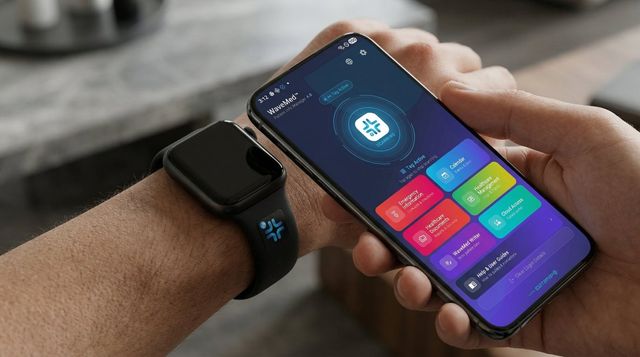
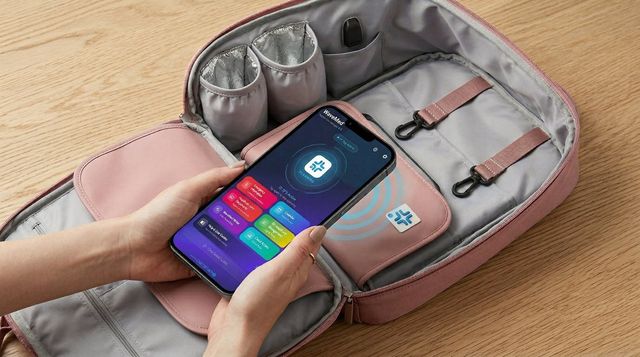
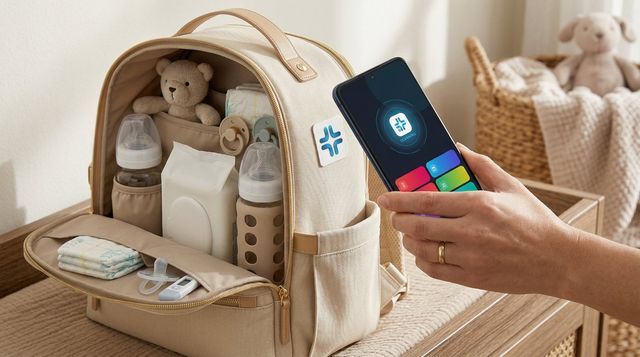
From the blood-pressure trend to antenatal results: the free WaveMed app
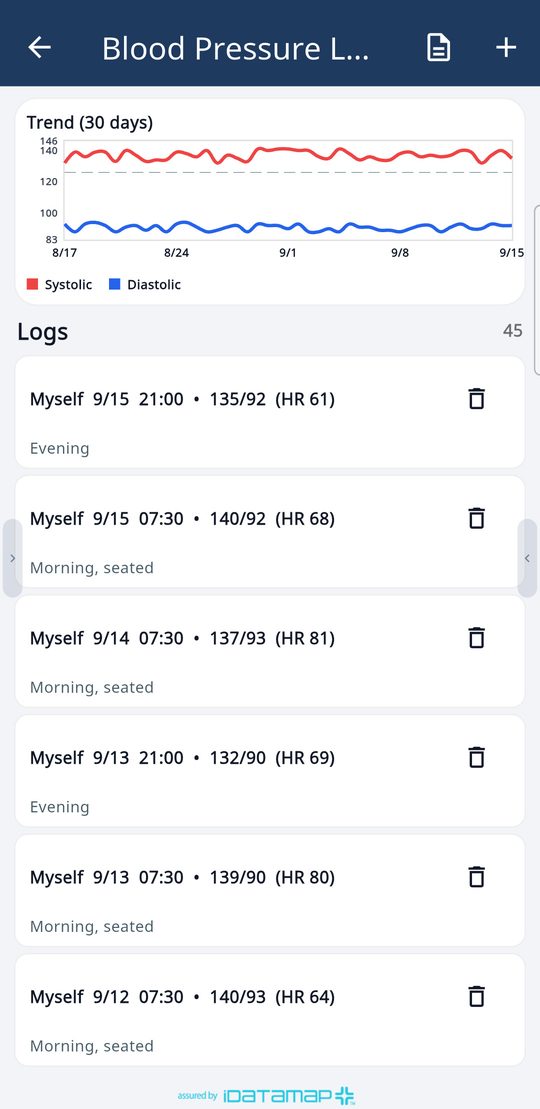
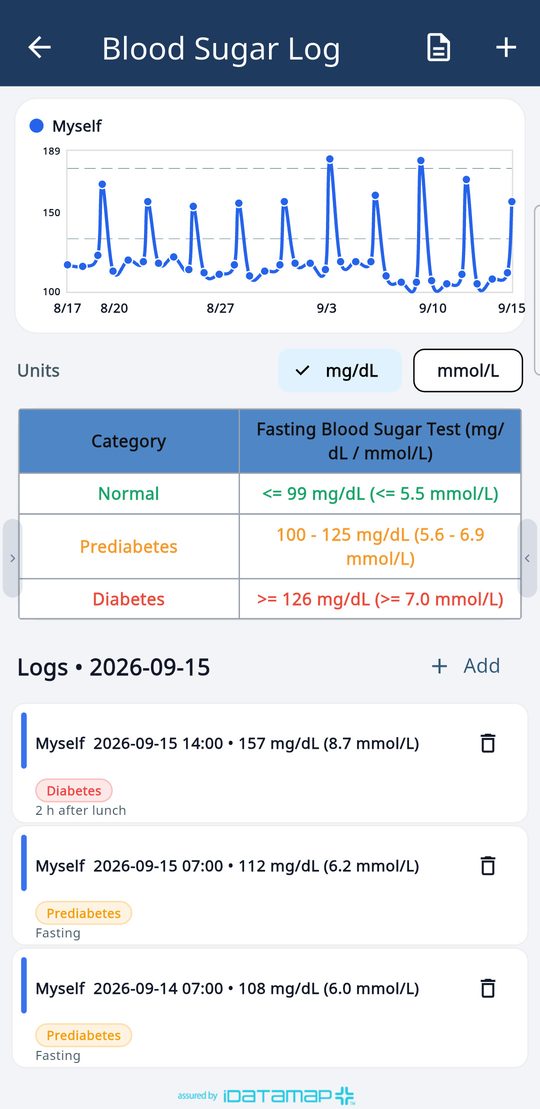
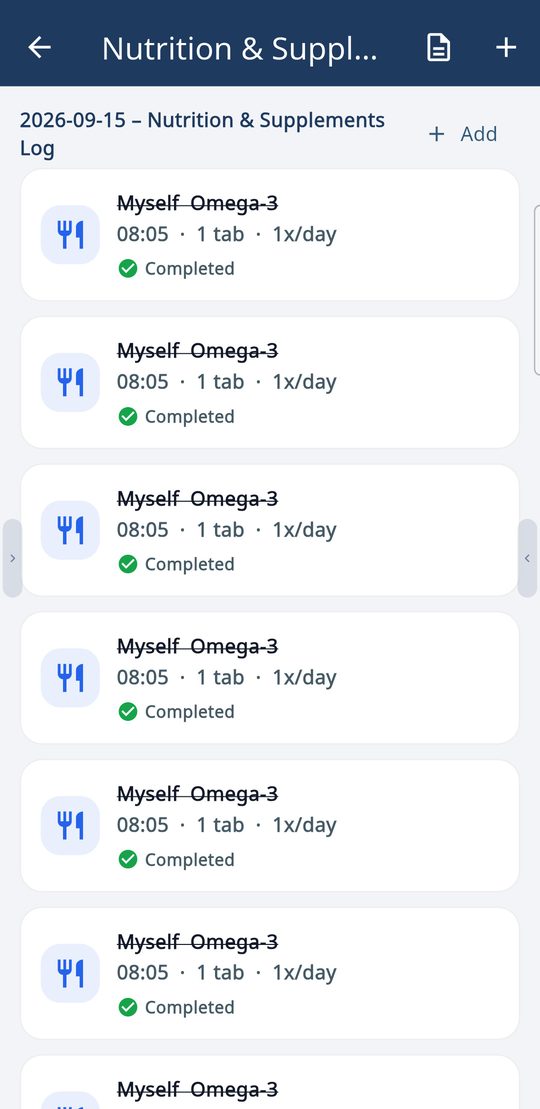

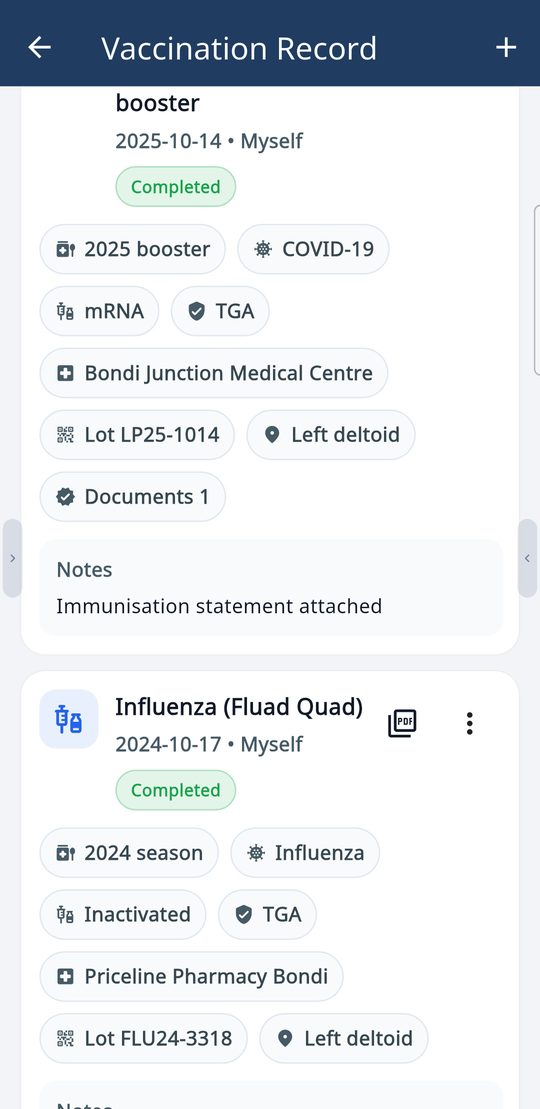
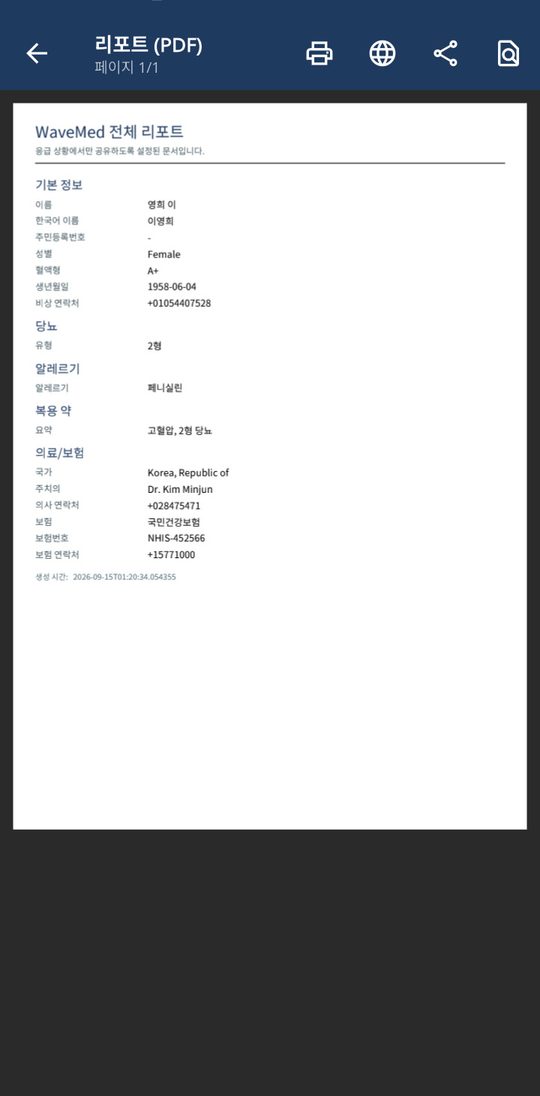
Real WaveMed app screens (demo data).
Where it is read
How to roll it out
- Maternity clinics and public health offices introduce registration at antenatal visits, and postnatal centres when a mother arrives, with wrist bands carrying the clinic's name if wished.
- The mother installs the free WaveMed app, enters only what she chooses from weeks, blood type, complications, planned hospital and contacts, holds the phone to the patch to save it and notes the PIN. Three app steps and she is done (Path A).
- Where many mothers register at once, such as an antenatal class, staff can write patches in list order with WaveMed Desktop and a reader, using the details each mother agreed to include (Path B).
- A guide to moving the record to the baby after birth is prepared together and given to every mother, and registration can be linked to public maternal registration programmes.
Frequently asked questions
Is it safe to wear during pregnancy?
It never touches the skin: it goes on the wrist band, clothing and bag. It has no power source and emits nothing.
My weeks and test results keep changing. How do I update the patch?
Read the patch in WaveMed, enter your four-digit PIN and update it. Keep on the patch only what should be shown in an emergency, and keep daily blood pressure, blood sugar and antenatal results in the app.
Do I need a new patch after the birth?
The same patch can continue as your baby's record: update it with the gestational age, weight and blood type and move it to the carrier and nappy bag. In the app, mother's and baby's records stay apart as family members.
Get the apps
Expecting? Start the record of two lives in the free WaveMed app today, and talk to us about registration at antenatal visits and wrist bands carrying your clinic's name.