
The one piece of information
that reads without signal.
Where the signal ends, your backpack strap still speaks.
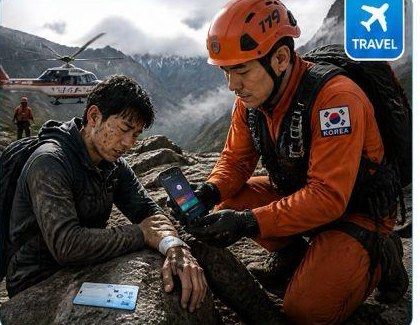
A ridge with no coverage, a dawn climb alone. One second with a phone on your backpack strap or poles shows your heart medication, blood type and a family number, whether the reader is a passing hiker or a mountain rescuer.

For day hikers, ridge walkers, climbers, backpackers and trail runners, and for the hiking clubs, national parks and mountain rescue teams around them.
Mountain accidents happen where the signal ends
- Ridges, valleys and dawn trails are where phones show no service. Hospital servers and the cloud do not open there, so a record kept only online cannot help.
- You may be climbing alone. The first person to reach you is often a passing hiker who cannot unlock your phone, and your ID is buried somewhere in the pack.
- Even when rescuers arrive, they cannot tell who you are, whether you take heart medication or whether you have diabetes.
- A paper card does not survive sweat, rain and snow. And on a trek abroad, local rescuers may not speak your language, and the village pharmacy sells your medicine under another name.
Saturday, on a ridge beyond coverage
- 06:20
At the trailhead, Daniel, 61, marks his morning heart medication Completed in WaveMed and logs his blood pressure with the note “morning, seated”. He is walking the ridge alone today. One RadPatch sits on his backpack strap, another on his trekking pole.
- 10:50
Two hours along the ridge, his chest tightens. He sits down against a rock, too breathless to speak. His phone is locked in the lid pocket of his pack, and there is no signal.
- 10:53
Nari, a hiker coming the other way with WaveMed on her own phone, holds it to the blue cross on his strap for one second. With no signal at all it shows: Daniel, angina, carries nitroglycerin, allergic to penicillin, wife's number. She finds the tablets in his pack and puts them within his reach.
- 11:05
Before stepping away, Nari drops a pin where he sits on WaveMed's satellite map, which holds GPS without signal. From a saddle just above, where one bar returns, she sends the coordinates and a link, tells the emergency operator exactly who has collapsed and what he takes, and calls his wife on the number from the patch.
- 12:05
The helicopter crew arrive already knowing about his heart medication and his penicillin allergy. One second with 𝒱WaveMed on the pole patch confirms it for themselves; the app reads and changes nothing. His wife, already called, meets him at the hospital.
Your gear speaks for you, with or without signal
- On what stays with you in a fall: a 25 × 25 mm RadPatch on the backpack strap, trekking poles, cap lining, boots or jacket, as a sticker or iron-on. Several patches carry the same information, and a silicone body with a sealed chip gives two layers of waterproofing against sweat, rain and snow.
- One second, no network: it is a close-range read of a few centimetres between phone and patch, so a ridge with no coverage makes no difference. Blood type, allergies, current medication, diabetes emergency information and emergency contacts appear in the reader's language, in any of 27 languages. No battery, no login.
- Read-only for rescuers, yours to change: 𝒱WaveMed, for paramedics, emergency responders and fire crews, reads the patch and cannot change anything. The information is encrypted inside the patch, holds only what you chose, and only your four-digit PIN can update it.
- Before you climb, with the free WaveMed app: a medication schedule with reminders and Completed marks, so you know this morning's heart pills were taken, and blood pressure and heart rate as a 30-day trend with notes such as “morning, seated”.
- On the ridge and back down: the satellite map holds GPS without a signal and sends coordinates and a link on a weak connection. At the trailhead, find the nearest emergency room, and the country's ride apps open with the hospital already filled in, in around 60 countries. Trekking abroad, the emergency report switches language and Medicine Finder shows your medicine with its INN.
Backpack strap, trekking poles and boots: the places that stay with you in a fall

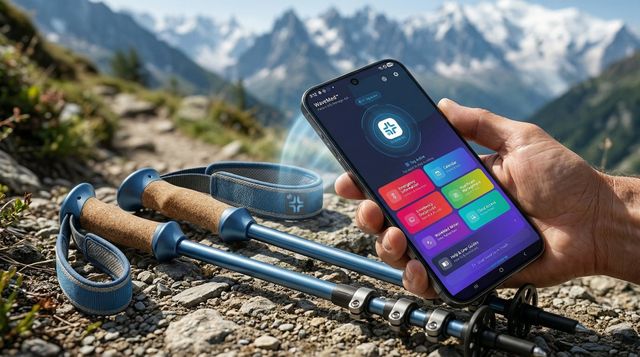
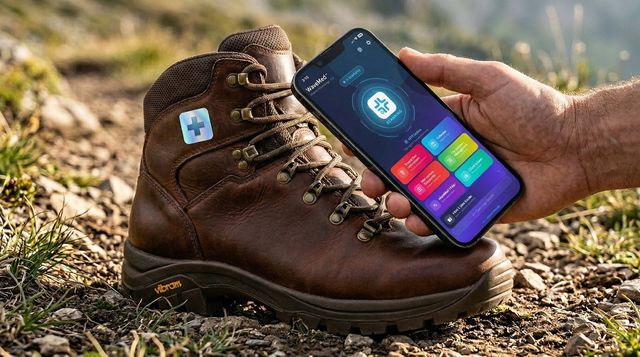
From the pre-hike pill check to the ridge and the trailhead: the free WaveMed app
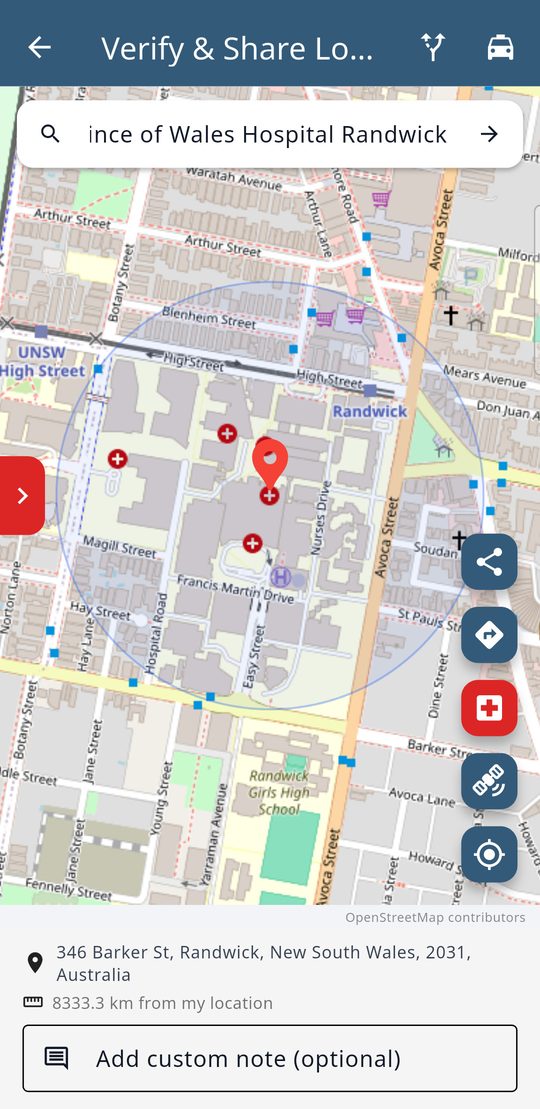
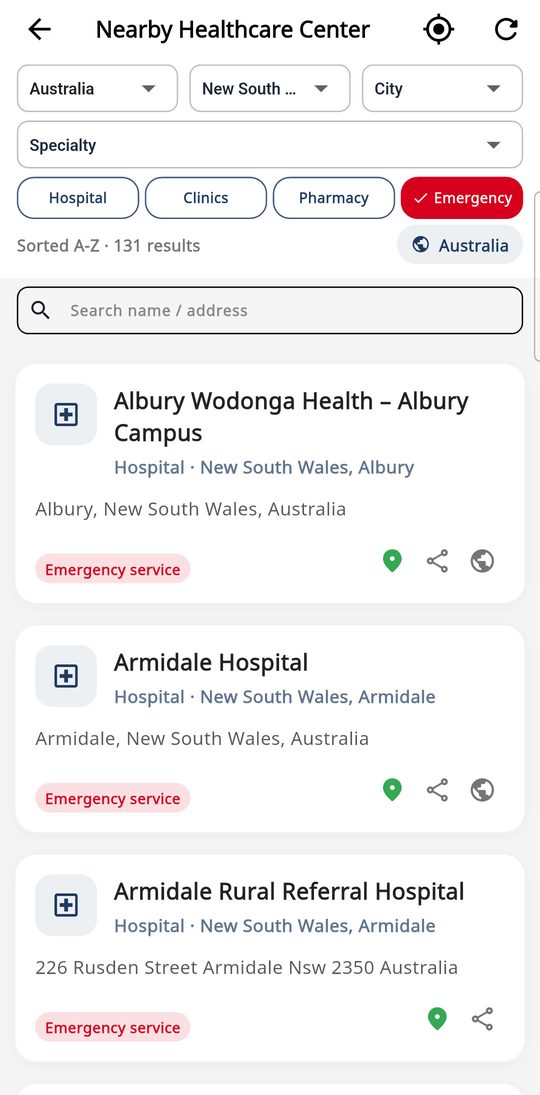
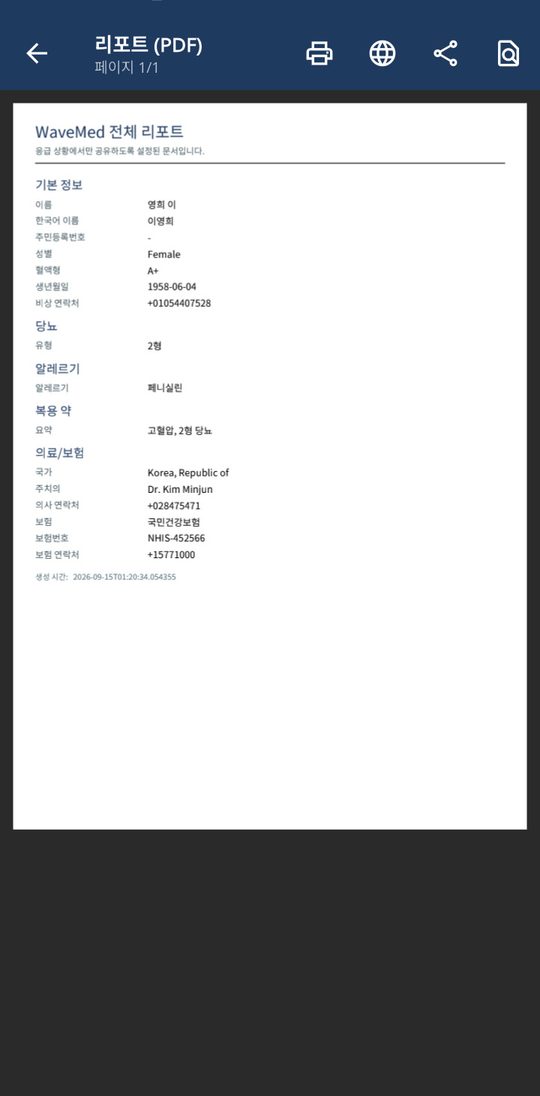
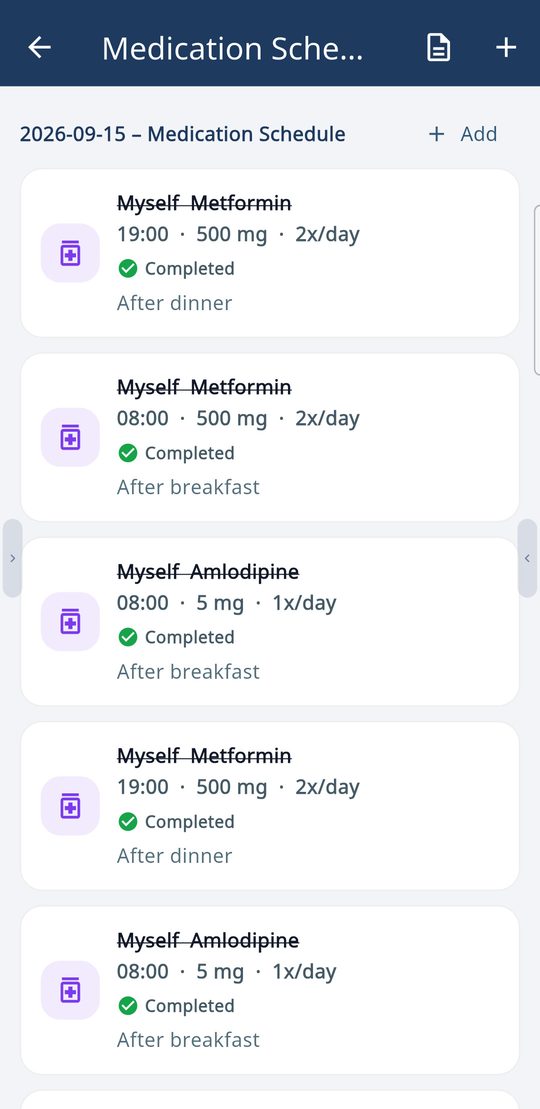
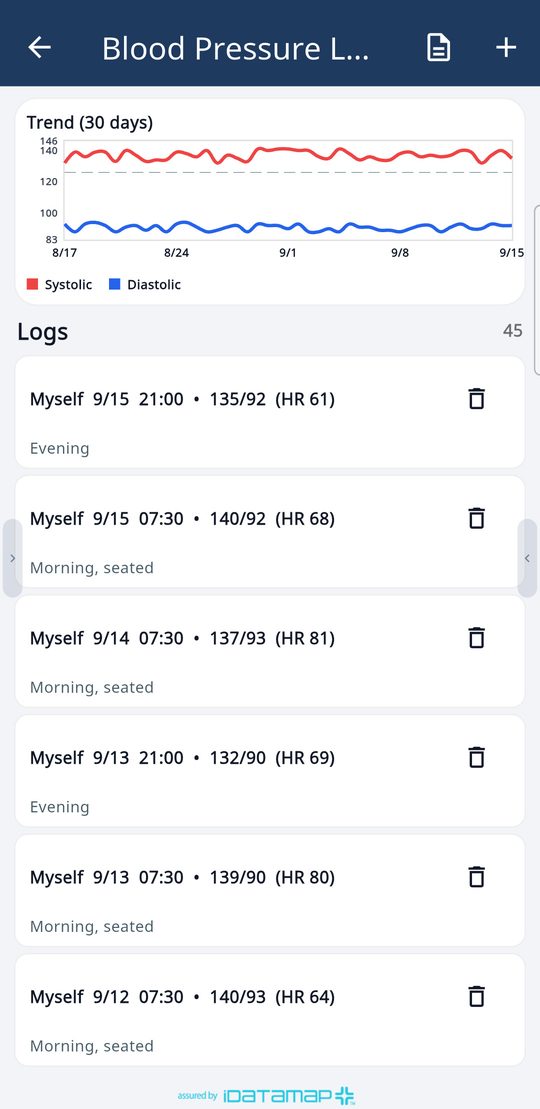
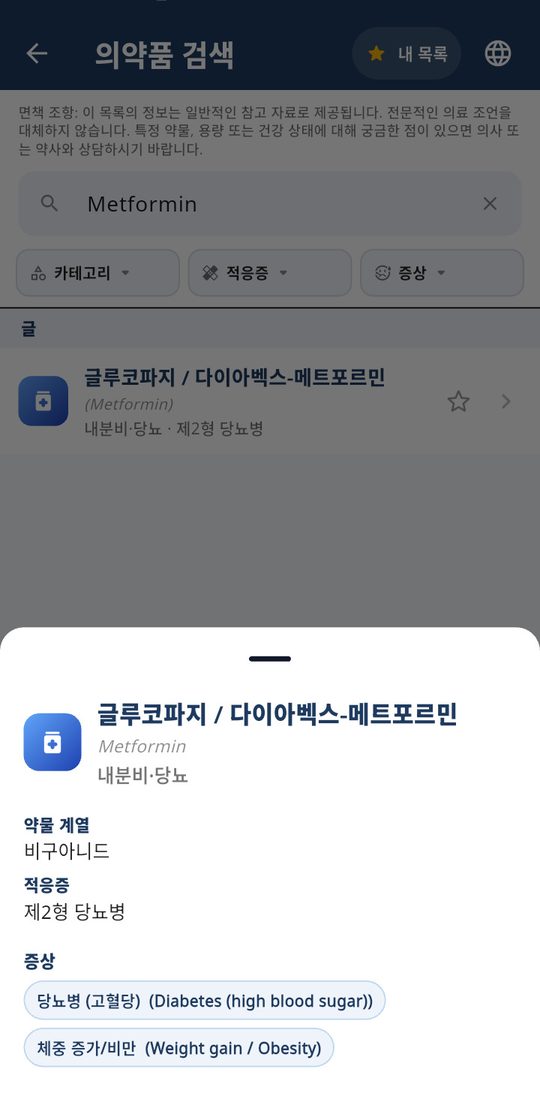
Real WaveMed app screens (demo data).
Where it is read


How to roll it out
- Individuals, today (Path A): install the free WaveMed app, enter only the details you choose and hold the phone to the patch to save. Write down the four-digit PIN, then attach patches to your backpack strap and poles.
- Hiking clubs and federations: start with one club, with member bands and stickers and one group registration session. For a large club or a federation list, organisers register members in list order with WaveMed Desktop and a reader, using only the details each member agreed to share (Path B).
- National parks and mountain rescue: twenty minutes of training on reading a patch with the free 𝒱WaveMed, plus QR signs at trailheads that guide hikers to register.
- After the season, compile the rescue cases and extend to the federation programme. Members update their own patch with the PIN whenever their medication changes.
Frequently asked questions
Does it really read without internet in the mountains?
Yes. It is a close-range read of a few centimetres between phone and patch, independent of any network. Location sharing and hospital search resume where there is coverage.
Will it survive sweat, rain and snow?
A silicone body and a sealed chip give two layers of waterproofing against sweat, rain and snow. There is no battery, so nothing runs flat halfway through a long traverse.
I trek abroad. Can local rescuers read it?
Yes. The patch shows in the reader's own language, switching automatically among 27 languages. In the WaveMed app you can also pick the emergency report's language on the spot, and Medicine Finder shows your medicine in the local language with its INN.
Get the apps
Heading for the hills this weekend? Start today with the free WaveMed app and put a patch on your strap and poles. Clubs, parks and rescue teams: talk to us about your first season.