
Safety that attaches to athletes,
spectators and the whole stadium.
Kilometre 32 or the upper stands: one second tells the medics who they are treating.
When a runner goes down on the course or a fan collapses in the stands, what the medical team needs first is already on their body, read with a phone in one second. Safety delivered in your foundation's name.
For sports foundations, federations and event organisers running marathons, cycling races, league fixtures and youth programmes, and for the course medics who look after every entrant.
The list is at headquarters. The runner is on the course.
- The participant list and entry forms sit at race headquarters, while the runner who has collapsed is at the 30 km mark, kilometres away.
- Some entrants leave their phone and ID at the bag drop. A bib carries a number, not the medication its wearer takes.
- Nobody in the stands knows the heart medication of the man who has just fallen. To the fans beside him and to the stadium first-aid room, he is a stranger.
- When an athlete collapses at an away fixture abroad, local medics may not speak the athlete's language, and the team's own staff may not be at their side.
Marathon, 32 km
- 06:40
In the start pen, Michael, 54, marks his morning anticoagulant Completed in WaveMed's medication schedule. His phone goes into the bag drop; pinned to his chest is the race bib with the foundation's RadPatch.
- 10:48
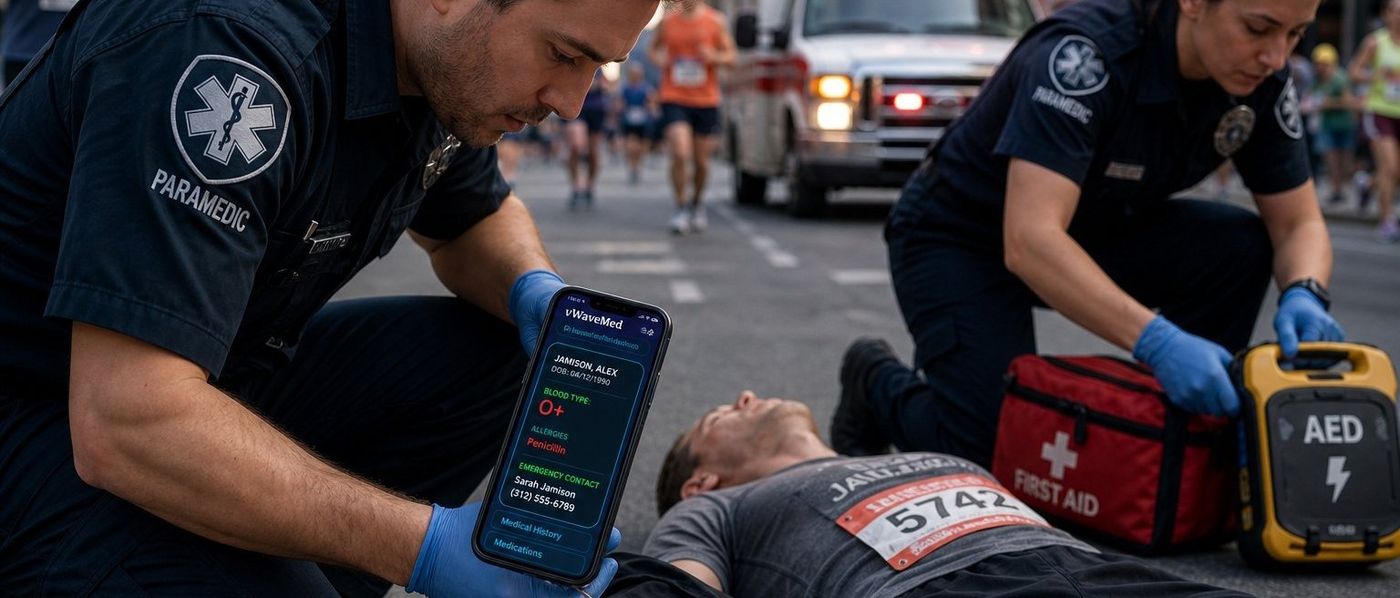
At 32 km Michael collapses. Race headquarters, with the participant list, is five kilometres away, and he cannot say a word.
- 10:50
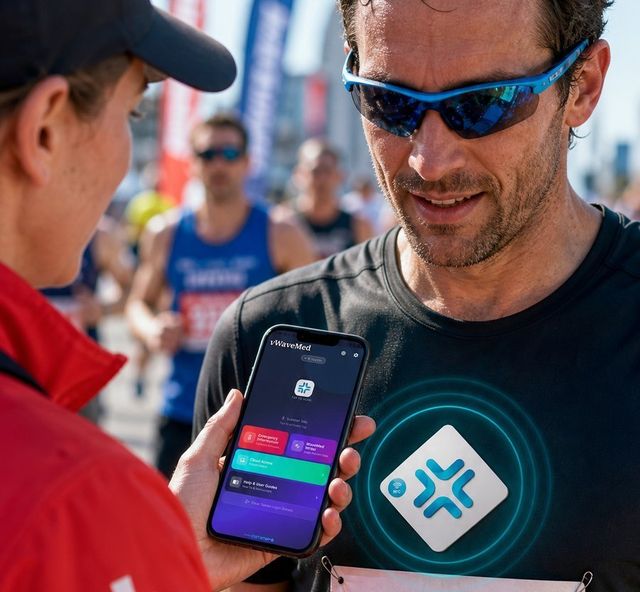
A course medic holds a phone with 𝒱WaveMed to the patch on his bib for one second: blood type, anticoagulant and heart medication, and a family number. The medics begin treatment knowing what he takes.
- 11:02
The ambulance crew arrives, reads the same patch again to confirm his medication, and takes Michael to hospital.
- 11:20
Headquarters matches the bib number and gives Michael's family the exact name of the hospital. After the race, the response goes into the foundation's safety review.
What the medics need first, already on the runner
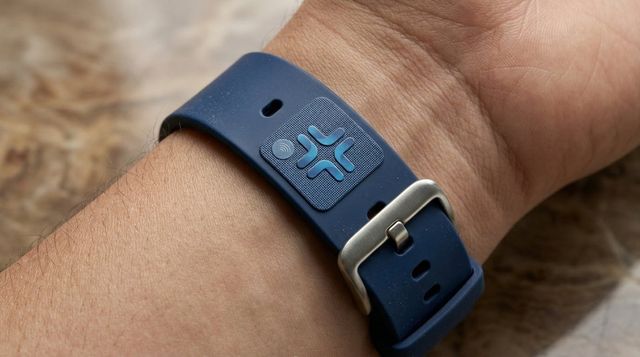
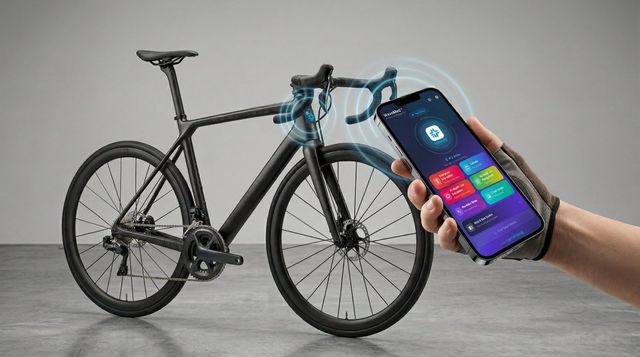
- On the bib, the kit and the wrist: entrants wear RadPatch on the race bib or a wrist band, affiliated athletes on the kit collar, helmet or bike frame, and spectators on a team-logo band. Inside goes only what each wearer chooses from blood type, allergies, current medication, diabetes emergency information and emergency contacts.
- Course medics read it in one second: no battery, no internet, no login, just any current smartphone. 𝒱WaveMed, for paramedics, emergency responders and fire crews, is read-only and cannot change anything, and the details appear automatically in 27 languages, so local medics can read it at away fixtures too.
- Sweat, rain and the water station: a silicone body with a sealed chip gives two layers of waterproofing against water, sweat and the washing machine. There is no battery, so nothing runs flat on race day.
- Registration that scales to thousands: guided at sign-up, entrants register themselves with the free WaveMed app in about three minutes and protect it with their own PIN; affiliated squads and youth teams are written in list order with WaveMed Desktop and a reader.
- Before the start line, on the athlete's phone: the free WaveMed app keeps a 30-day blood pressure and heart-rate trend, a medication schedule with Completed marks, a supplement log that exports as a PDF, and vaccination records with the certificate attached. On away trips, switch the emergency report to any of 27 languages and check a local medicine by its English INN in Medicine Finder.
On the entrant's bib, the athlete's bike and the spectator's wrist

Before the start line, on the athlete's phone: the free WaveMed app
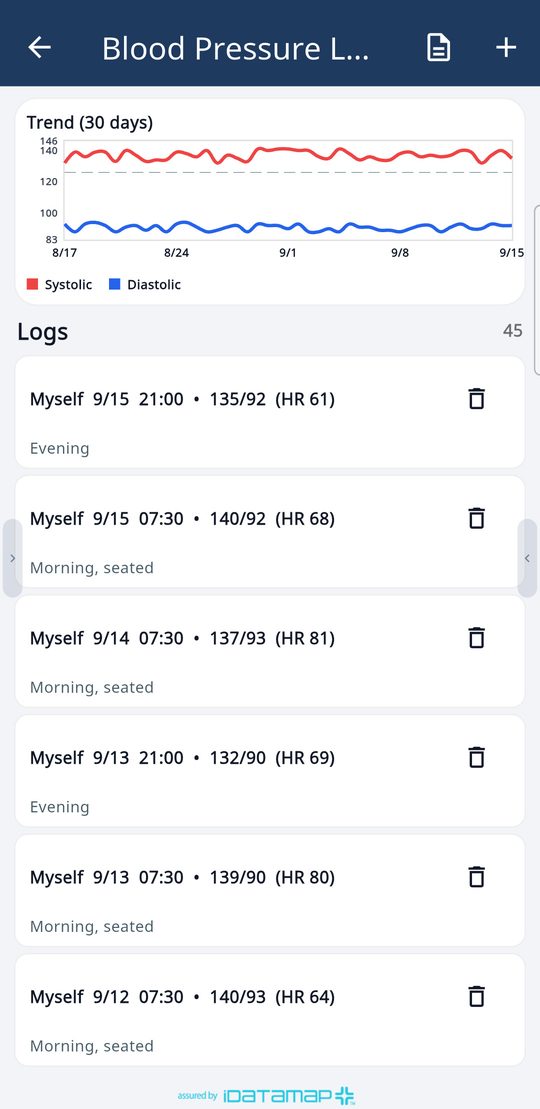
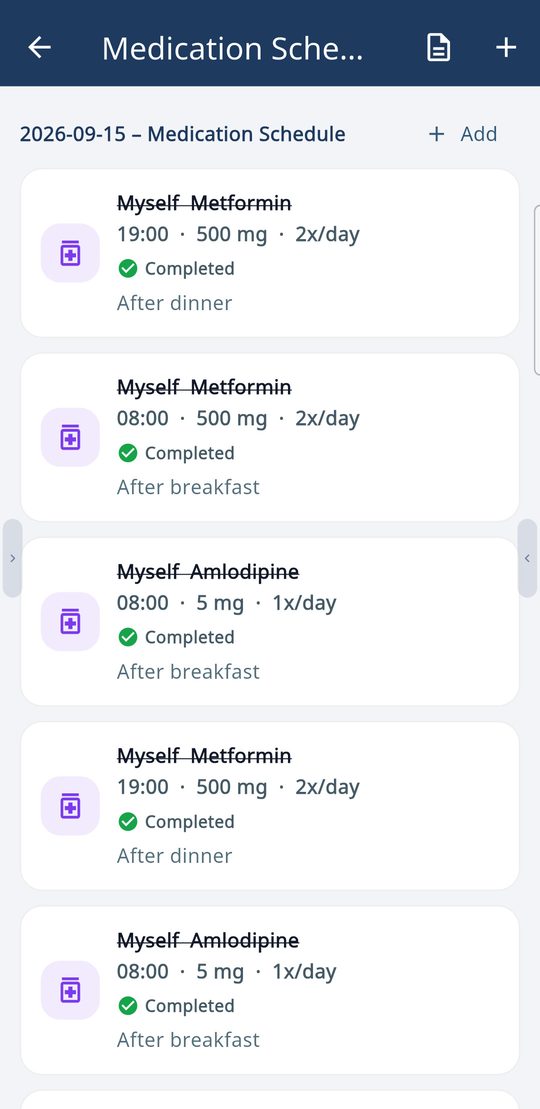
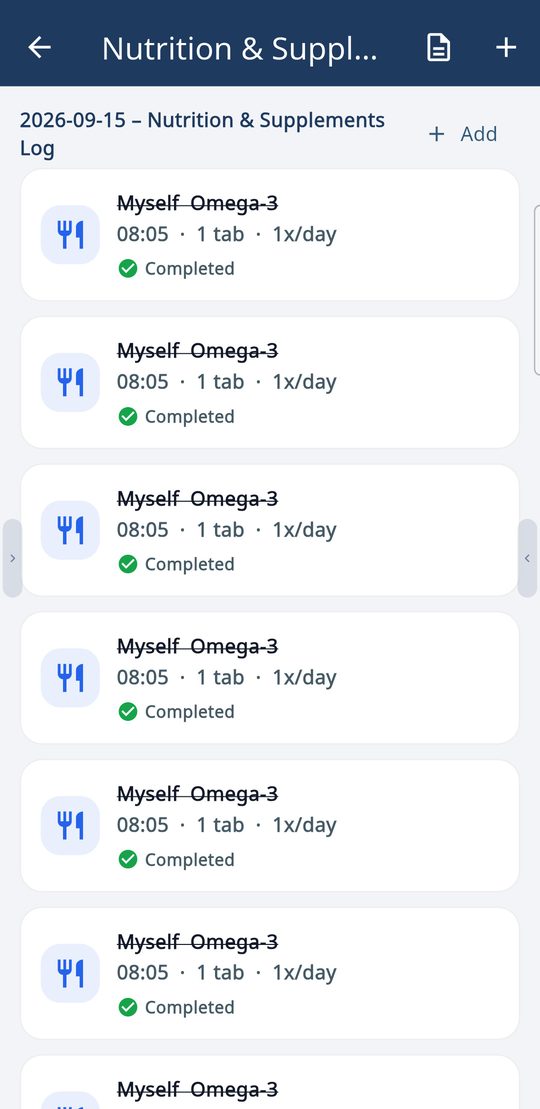
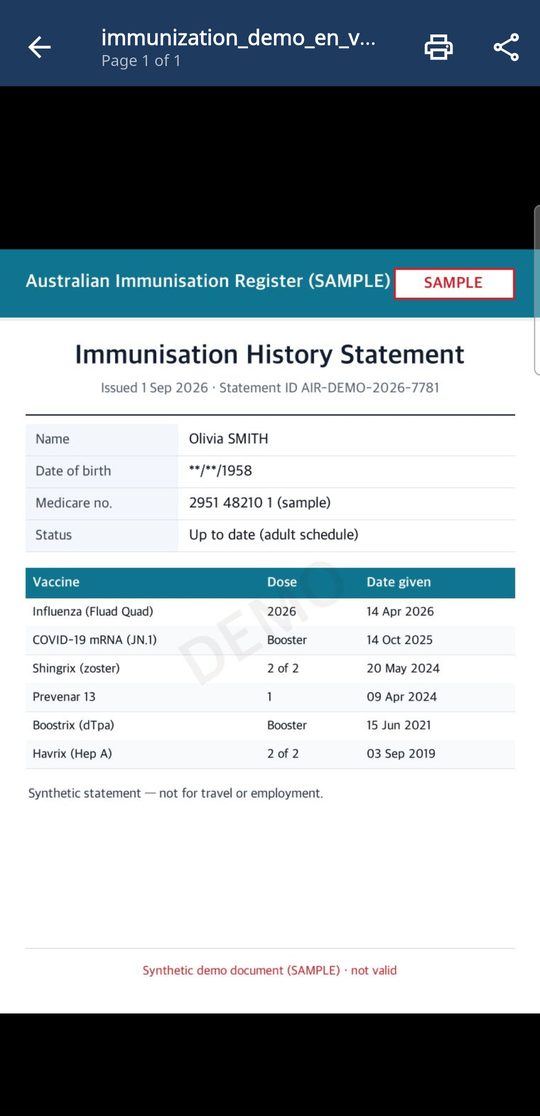
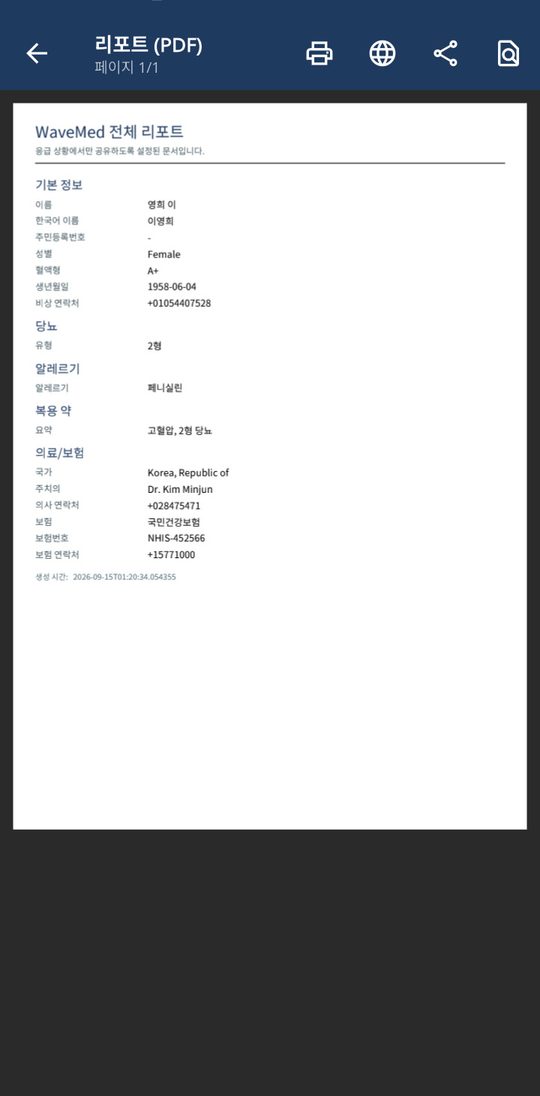
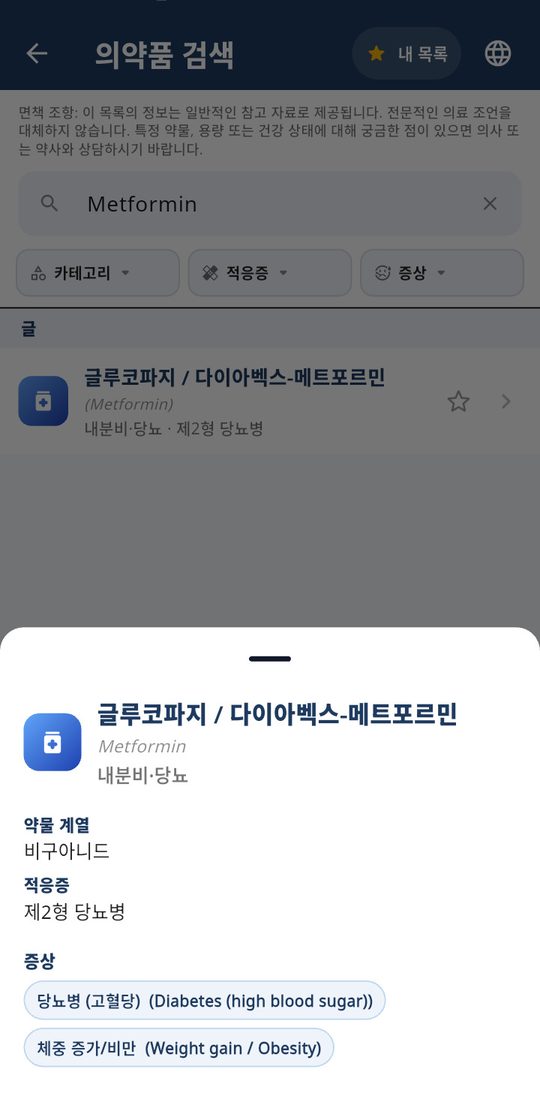
Real WaveMed app screens (demo data).
Where it is read


How to roll it out
- Start with one event: install the free 𝒱WaveMed on the course medics' phones and train them to read a patch.
- Path B — before the season, register affiliated squads and youth teams in list order with WaveMed Desktop and a reader, using only the details each athlete or parent has agreed to share, such as allergies and a parent's number on every youth player's patch.
- Path A — give entrants bib patches or wrist bands carrying the foundation's and sponsors' logos, and season-ticket holders a team-logo band. Guided at sign-up, they register in the free WaveMed app and update their own patch with the PIN when medication changes.
- After the event, compile the response cases together and extend the programme across the season.
Frequently asked questions
How do we register thousands of participants?
Participants register themselves with the free WaveMed app in about three minutes. Affiliated squads are written in one pass, in list order, with WaveMed Desktop and a reader.
Will it still read after sweat, rain or a soaking at the water station?
A silicone body with a sealed chip gives two layers of waterproofing, so water, sweat and the washing machine are all fine. There is no battery to run flat, and the information stays until it is erased.
What do course medics need to read it?
Any current smartphone: most Android phones on 8.0 or newer, and recent iPhones. One second, no internet. 𝒱WaveMed, the free app for paramedics, emergency responders and fire crews, is read-only and shows the details in the reader's language.
Get the apps
Running a marathon, a league season or a youth programme? Start with one event: bib patches, logo bands and course-medic training.