How to know who someone is
where there are no papers and no power.
No papers, no power, no signal. The wrist band still answers.
Tens of thousands of people with no ID or medical record, an earthquake zone with no communication. One wrist band carries a name, blood type, vaccinations and diabetes emergency information, readable on any relief organisation's phone in 27 languages.

For refugee camp managers, disaster response teams, UN agencies, Red Cross and Red Crescent societies and NGOs that register, treat and protect displaced people where papers, power and networks are gone.
No papers, no network, three lists for one person
- There are no papers. ID, medical records and vaccination cards were lost on the way, and names are asked in languages nobody shares.
- Every organisation makes its own list, so the same person is registered three times, and the medical team that arrives on day three starts again from zero.
- Power and communication are down. Servers and the cloud cannot be reached, and a registration system that needs a generator and a connection stops with them.
- Paper cards get wet or lost, an unaccompanied child cannot say who is looking after them, and nobody knows who needs insulin.
After the earthquake: two weeks in a temporary camp
- Day 1
No communication in the disaster zone. With one laptop, a reader and WaveMed Desktop, a relief team issues wrist bands to 300 displaced people in list order. Samir's band holds his name, blood type, diabetes with insulin needed, a family contact number and the treatment he received at the field clinic that day. His granddaughter Lina, whose parents are still missing, gets a band with her name and the camp officer's number. His daughter Nour installs the free WaveMed app on the one phone she still has, photographs the few papers she carried out and adds her father and Lina as separate family members.
- Day 3, 10:40
Samir collapses in the food queue. He cannot answer, and the medical team from another organisation, which arrived that morning, does not speak his language.
- 10:41
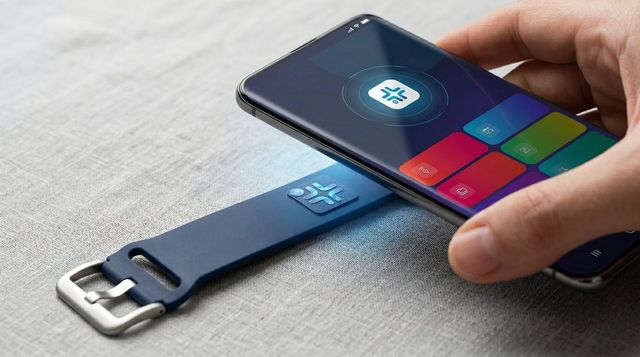
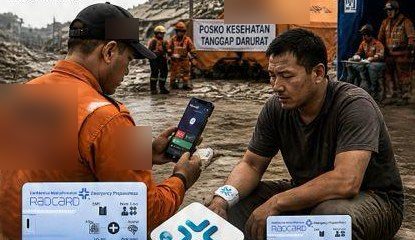
A medic holds a phone running 𝒱WaveMed to the blue cross on the band for one second. Diabetes and insulin needed appear in the medic's own language, along with the day-one treatment note and the family contact number. No new registration: the team takes over where the first one left off, and the registration desk adds today's treatment to the band.
- Day 5
In the crowd at the water point, Lina loses sight of her grandfather. A child-protection volunteer reads her band: her name and the camp officer's number appear under headings in the volunteer's language. Lina is back with her family the same afternoon.
- Two weeks later
Samir is transferred, and the receiving hospital reads the same band. When communication returns, Nour shares the camp's location from the app with relatives in another city; the photographed papers and the separate records for her father and Lina are still on her phone.
One band, read the same way by every organisation
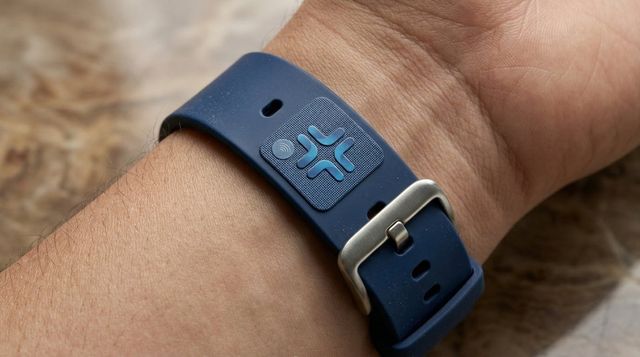
- One band, every organisation's phone: the patch sits on a wrist band. Any current smartphone held to the blue cross for one second shows name, blood type, allergies, medication, vaccinations, diabetes emergency information and family contact numbers in the reader's language. 27 languages, and no battery, internet, generator or server. Because every organisation reads the same band, nobody needs to be registered three times.
- Hundreds registered a day: with WaveMed Desktop Intelligent Manager and a reader, one staff member on one laptop registers people in list order (Path B). Triage results and treatment given are added to the band, so the next team takes over instead of starting again.
- Readers only read, and the information stays the person's own: 𝒱WaveMed, for paramedics, emergency responders and fire crews, reads and changes nothing. The information is encrypted inside the patch rather than on a server, holds only what the person agreed to, and apps outside the WaveMed family cannot open it. A silicone body with a sealed chip survives the rain and sweat that ruin paper cards.
- Children and separated families: an unaccompanied child's band carries their name and the camp officer's number. In the WaveMed app, satellite view shows the terrain where no address or sign is left; GPS holds without a signal, and coordinates and a link still send on a weak connection, so relatives can be told where the camp is as soon as a signal returns.
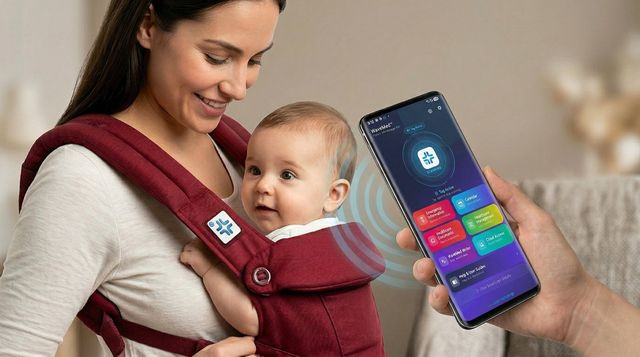
- When the papers are gone, the record is on the phone: the free WaveMed app keeps surviving papers as photos in document folders, attaches the certificate to the vaccination history and keeps a separate record for each family member, down to a baby born in the camp. The emergency report switches on the spot to any of 27 languages, and Medicine Finder shows 1,000 medicines in 27 languages with the English INN.
Wrist band and baby carrier: where it stays on the body, even in a camp
When the papers are gone, the record is on the phone: the free WaveMed app
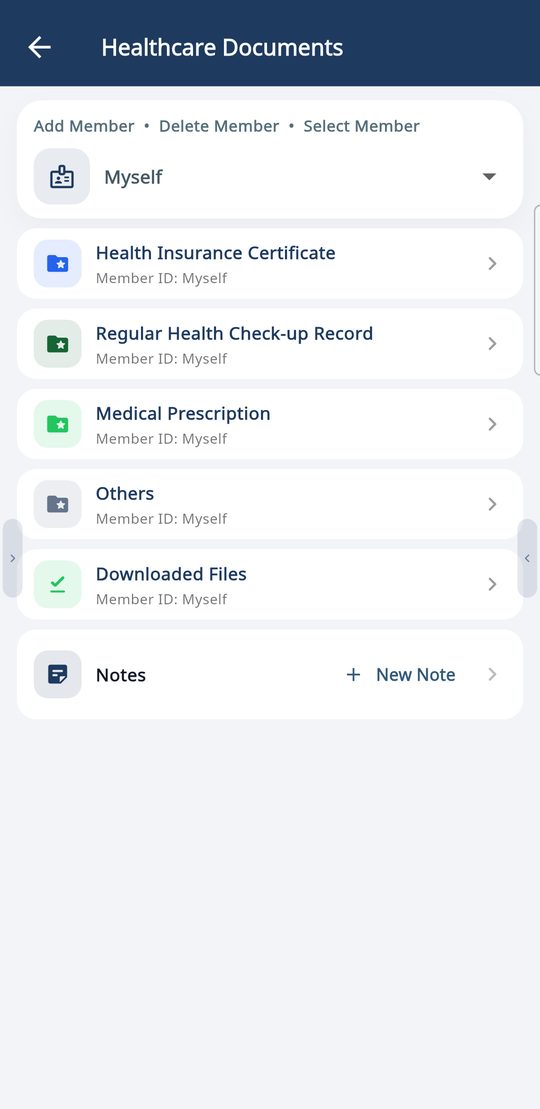
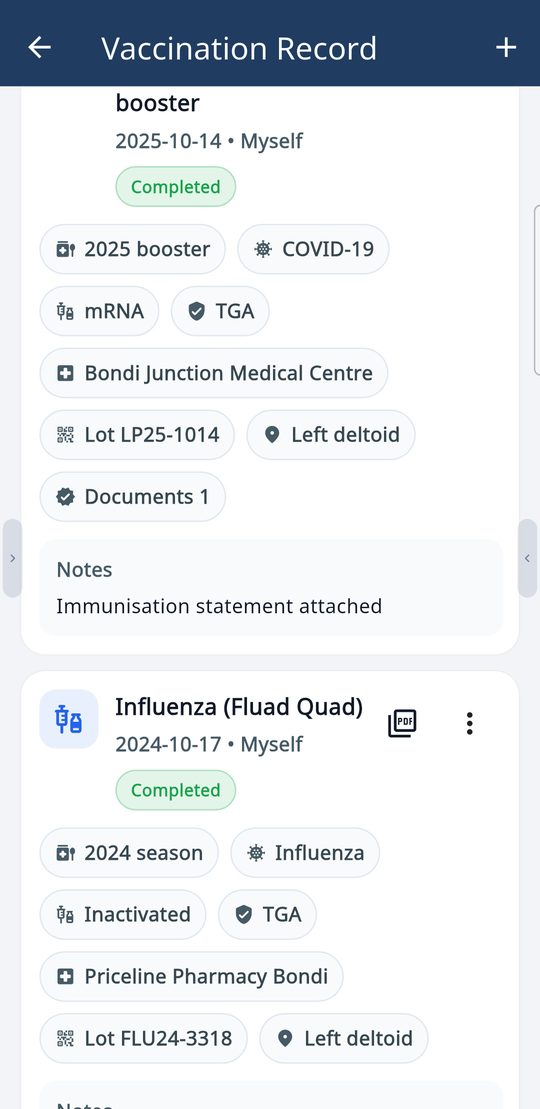
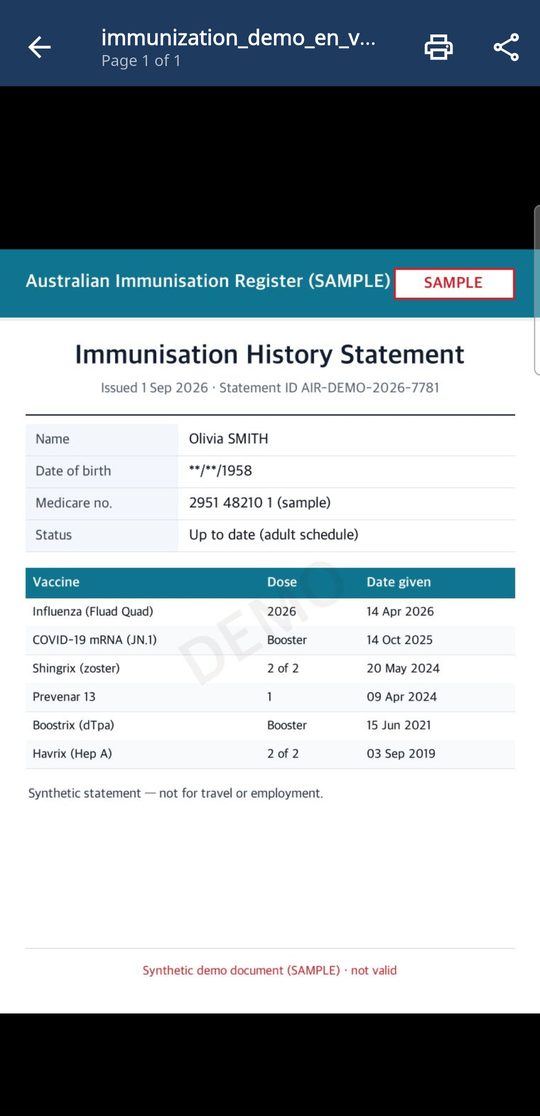
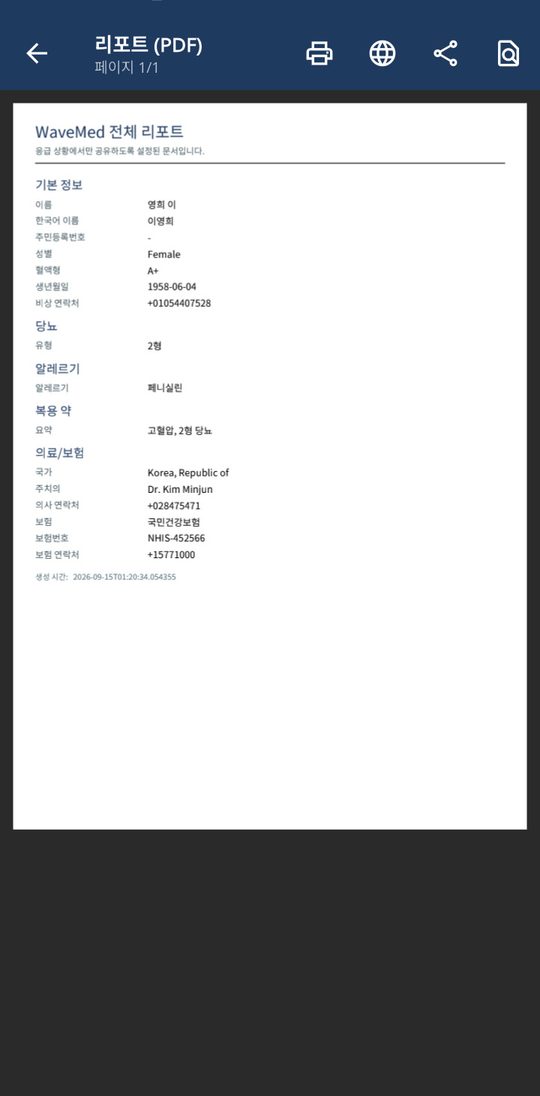
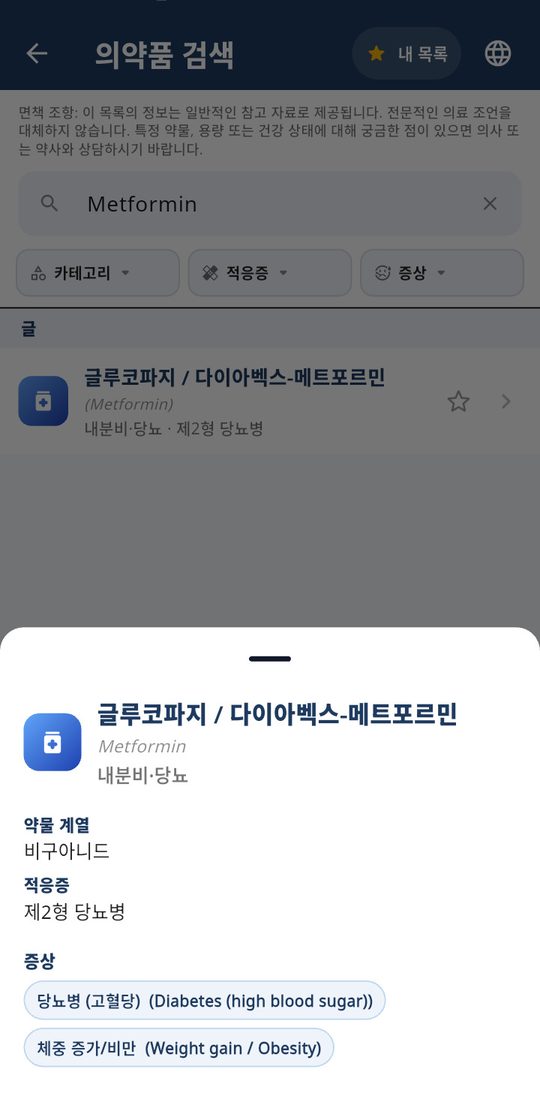
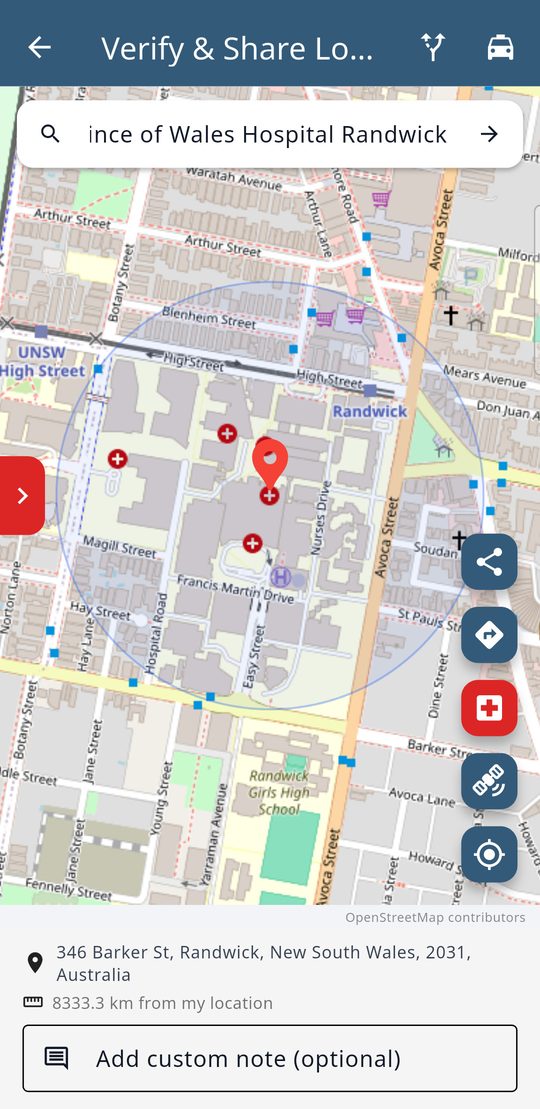
Real WaveMed app screens (demo data).
Where it is read


How to roll it out
- Pilot in one camp or response team: bands, WaveMed Desktop, a reader and thirty minutes of training. One laptop, one reader and one staff member register hundreds a day, entering only what each person agrees to share (Path B).
- The organisations on site agree on a shared reader app, so medical teams, responders and child-protection staff all read the same band with 𝒱WaveMed.
- People who still have a phone use the free WaveMed app themselves: photos of surviving papers, vaccination records and a record for each family member. Individuals can also register with the app alone (Path A).
- After the pilot, registration and transfer cases become a standard procedure, extended to other camps and response teams.
Frequently asked questions
How much staff and equipment does registration need?
One laptop, one reader and one staff member register hundreds a day with WaveMed Desktop. Individuals can also register with the app alone.
Who can see a displaced person's information, and where is it kept?
The band holds only what each person agreed to share, encrypted inside the patch itself rather than on a server, so reading it needs no server or network. Anyone reading it with 𝒱WaveMed can only read, and apps outside the WaveMed family cannot open it.
Can the band still be read in rain or a blackout?
Yes. There is no battery to charge and no network to connect to, and the silicone body with a sealed chip is double waterproofed. Where power and communication are down, one smartphone reads it.
Get the apps
Start with one camp or one response team, and talk to us about a pilot with bands, WaveMed Desktop and a reader.